Emerging markets flex their muscles: Sao Paulo’s Safra brings Samba to Switzerland’s Sarasin:

For a few years now we have commented in our research on a metatrend “West-to-East”, developed market managers in the US or Europe leaving their domestic grass to look for greener postures in high-growth emerging markets, either organically or via stakes and acquisitions. My latest Latin America book gives a few case studies for Brazil, Julius Baer/GPS, Credit Suisse/Hedging Griffo, JP Morgan/Highbridge/Gavea, and more.

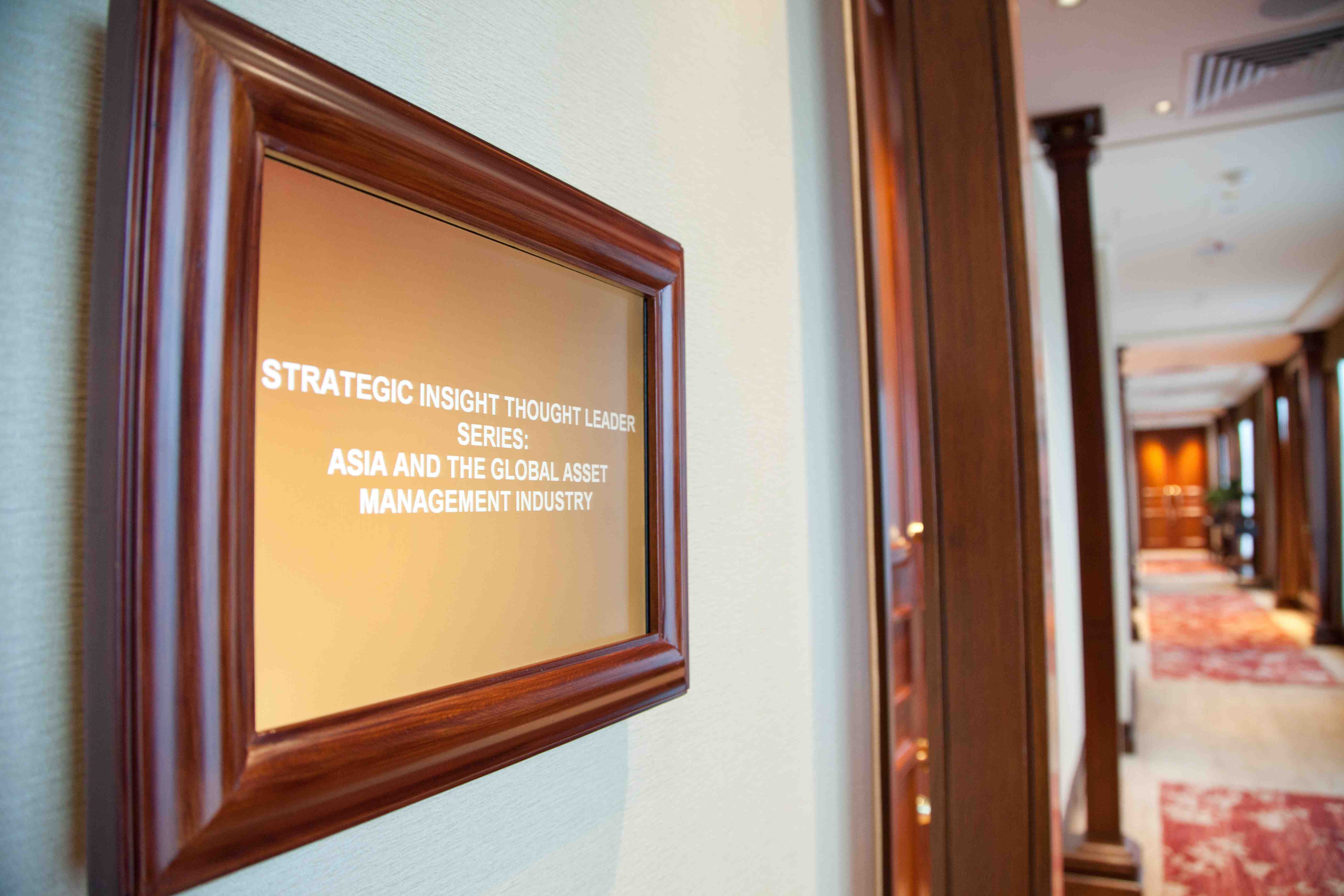
Conversely, we have also seen a trend “East-to-West”, or “Emerging-to-Developed” – emerging market managers entering Europe and the US to bring their expertise to these markets – it was a major theme in the CEO Asia Thought Leader Series we hosted last week in Hong Kong. Mirae launching funds in the US, Temasek/Fullerton, Victoire, BTG Pactual and others registering UCITS, or Bank of China lifting out an UHNW team from LODH to offer RMB products via Geneva.

Of late, we have talked about greater emerging market bridges, emerging markets and firms avoiding the trouble spots in Europe and the US to directly go into other high-growth markets. Examples include Chilean pension funds’ insatiable appetite for Asia strategies, CCB targeting Brazil and Citigroup focusing on bringing its EM HNW clients closer together.

Well, let’s add to this a new phase.

Emerging market managers buying stakes or acquiring developed market players. As the private banking industry in Switzerland has hit some bumps in the road and is likely to see consolidation, industry observers assumed that Julius Baer would be the buyer for Sarasin, having made no secret of ambitions to grow through acquisitions. Baer previously bought ING’s Swiss operations but was not able to add those of ABN Amro. In the case of Sarasin, management resisted the Baer takeover for a variety of personal and business reasons.

Enter Brazil’s Safra Group.

Safra surprised the local industry in Switzerland (and Julius Baer) by agreeing to buy a majority stake for Sarasin from Rabobank for $1.1 billion to expand and link private banking in Europe, the Middle East and Asia. Sao Paulo-based Safra, having moved its headquarters there from Syria in 1952, will bring some Samba to the Bahnhofstrasse. Joseph Safra, somewhat gleefully, stated “the origins of Safra and Sarasin are very similar”, with “philosophies and strategies to private banking that are very much the same.” Ouch.

Get ready for many more emerging market players to emerge as competitors and acquirers on the world stage of asset management, led by countries like China, Brazil, and the N-11. At a recent industry conference in Sao Paulo I interviewed the leaders of some of the top Brazil asset managers on their strategies.

For a case study of the Safra Group, please review: State of the Asset Management Industry – Latin America.

Posted in apps, asia, beauty, Brand, Brazil, cash flows, China, consulting, distribution, Enskat, information delivery, institutions, LatAm, Latin America, management, private banking, SWFs, switzerland, UCITS, wealth management | Tagged , , , , , , , , , , , , , , , , , , , , , , , , , , | 1 Comment

Emerging Market Bridges Asia-LatAm: CCB is targeting Brazil

One of the central themes in my latest book, State of the Asset Management Industry – Latin America, is around greater and more direct links between fast-growth emerging economies and regions, especially Asia and Latin America.

This morning the Financial Times on its front page reported that China Construction Bank is in talks to buy a bank in Brazil to “service rising trade with the region and to encourage South American exporters to begin trading in China’s currency, the RMB, rather than the dollar”.

A CCB executive at a banking conference in offshore hub Miami called it “we are following our customers.”

Indeed.

We have seen many firms follow the opportunities for both regions.

– Japanese fund managers in recent years raised almost $200 billion in Brazil related investments.

– Julius Baer calls Singapore and Sao Paulo their new second homes, and acquired a stake in GPS.

– HSBC, BBVA, Santander et al get the majority of their growth and revenues from Latin America and/or Asia.

– CS is heavily invested in Asia, and has seen much of their 2011 profitability from Brazil boutique Hedging-Griffo.

– Mirae is pushing in Brazil and the region.

– Blackrock is doing local roadshows and post Barclays acquisition is aggressively expanding in LatAm (and Asia).

– Chilean pension funds have an insatiable appetite for Asia investments, in all shapes and forms.

And the tactical list goes on.

Strategically, emerging market bridges are even more appealing:

– The exploding middle class in the next decade will primarily come from emerging markets – BRICs and N-11.

– HNW investors are growing fastest in Asia and Latin America, soon leaving the US and Europe behind.

– Emerging markets both from an investment and distribution perspective are on top of the list for fund managers.

And China and Brazil are leading the party – you might remember the spectacular opening ceremony for the 2008 Olympics in Beijing.

Don’t wait for the Olympic Games or the World Cup in Brazil to wake up to the new normal in global asset management.

Posted in asia, beauty, black swans, Brand, Brazil, Chile, China, consulting, Enskat, information delivery, Uncategorized | Tagged , , , , , , , , , , , , , , | Leave a comment

SI Asia CEO Thought Leader Roundtable & Dinner – Hong Kong Nov 2011, Mandarin Oriental

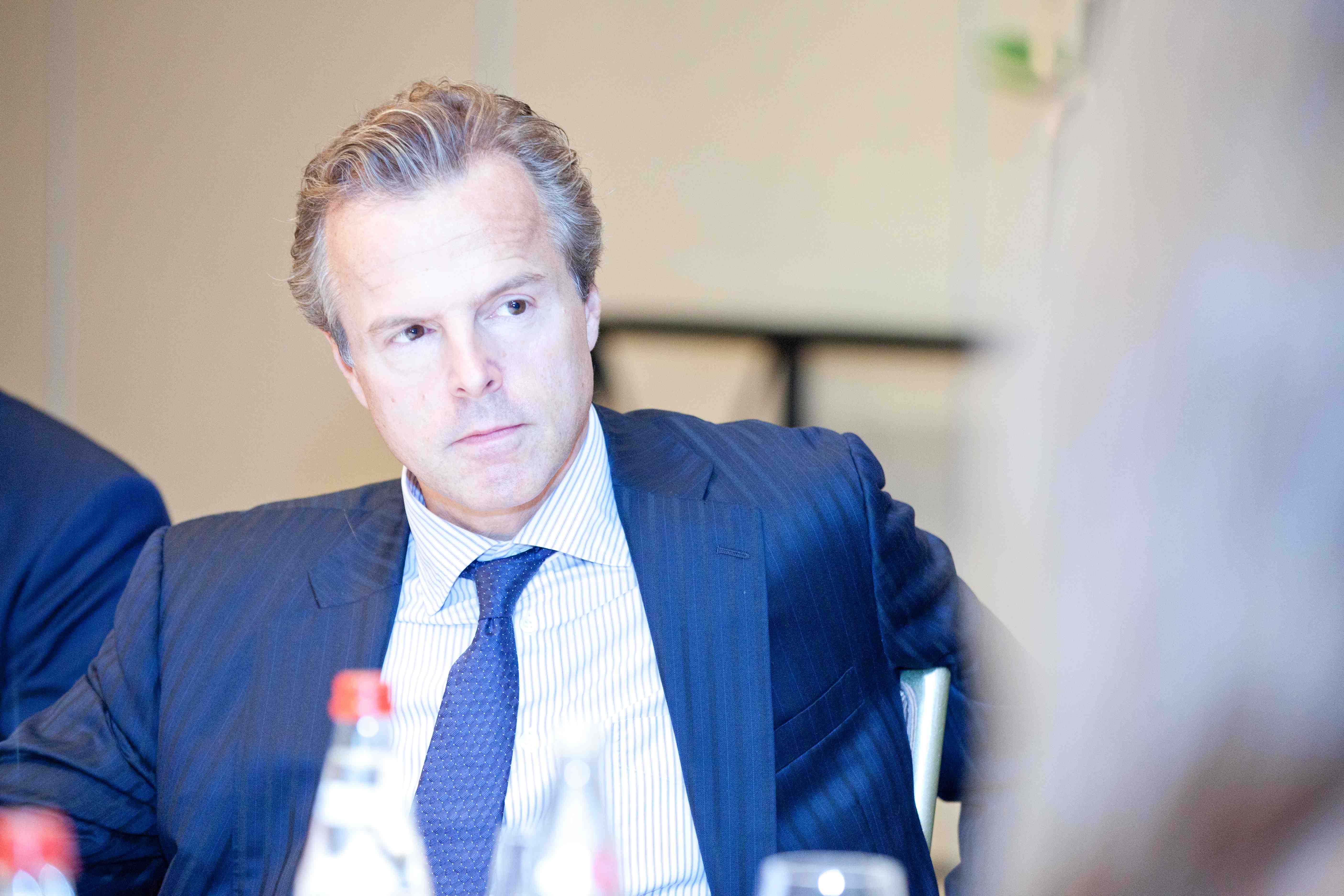
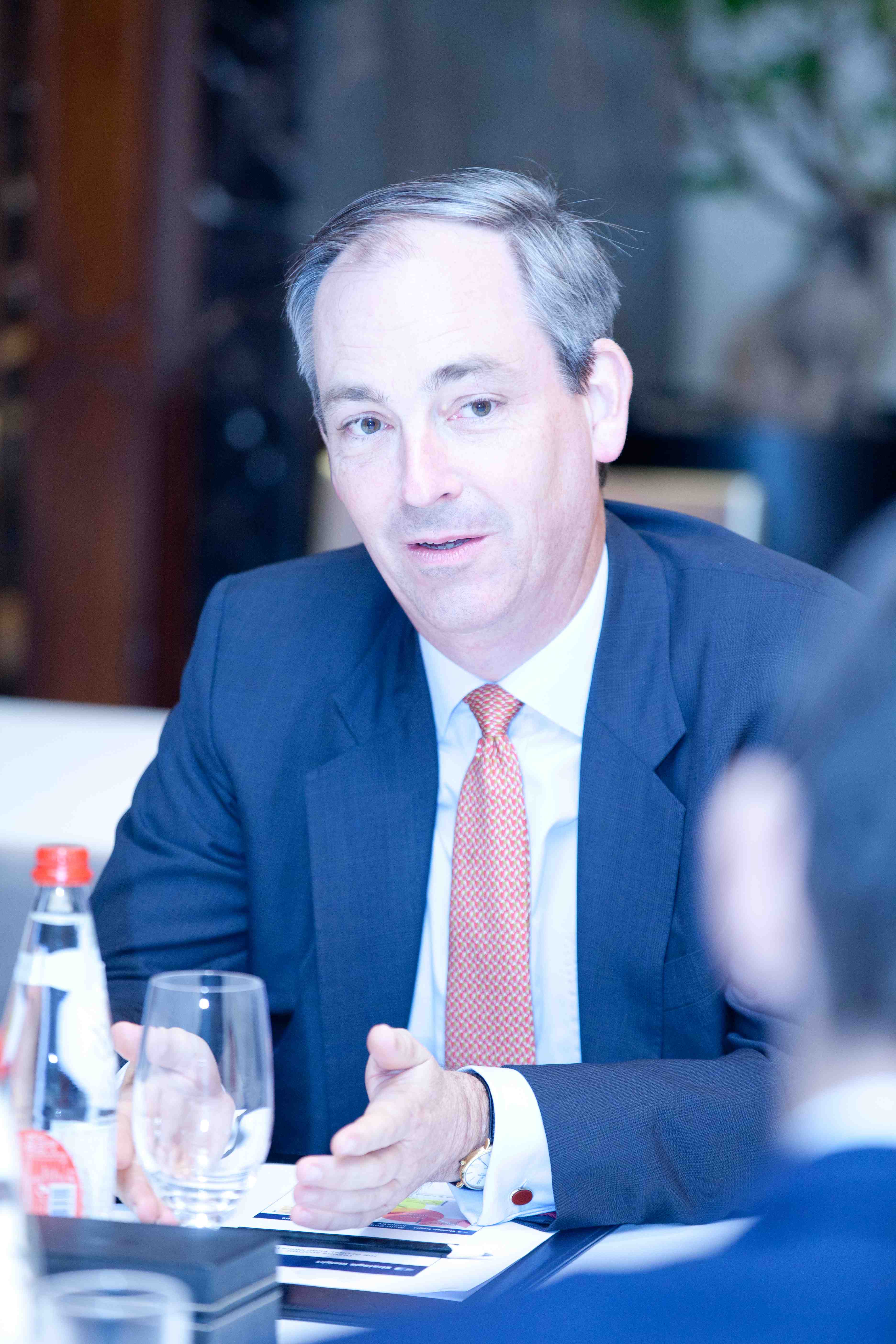
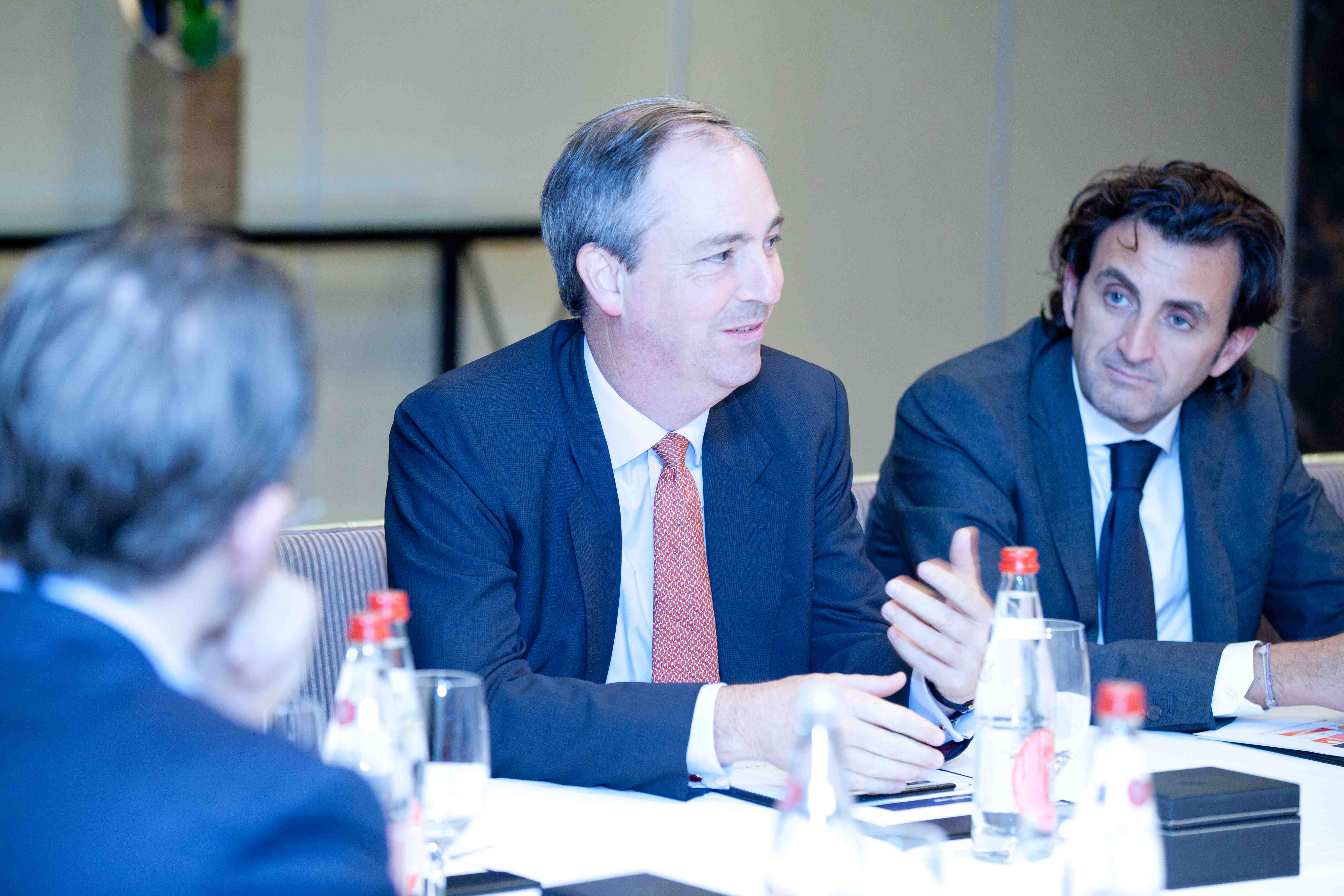
On November 15th 2011 Strategic Insight hosted its 2nd Annual Asia CEO Thought Leader Roundtable in Hong Kong, at the Mandarin Oriental. We were delighted to have the most important executives for the region be with us to discuss the pertinent issues for the industry in the region and globally.

SI Asia Thought Leader Series

Our discussion centered around the issue of multi-convergence, including

regulatory developments (Asia passport(s), Newcits/UCITS, Chile’s disapproval of Dublin-funds, Brazil’s multimercado, et al),

product trends (traditional vs. alternatives, a new global core product, headquarter centricity for global product development, Asia product needs, and operational issues)

global, regional and local business management (local to local, global to local, blockbuster products)

distribution trends (institutional, global distributors, local distribution diversity and approaches to build partnerships with asset holders)

We will publish a thought leadership piece with the key findings and recommendations in the coming weeks.

Below are a few pictures from both the discussion and the drinks and dinner afterwards.

SI Asia Thought Leader Series

Arne Lindman, Fidelity Chairman Asia-Pacific

SI Asia Thought Leader Series - Jim Casella, Lieven Debruyne, Arne Lindman

Asset International Chairman & CEO, Jim Casella

Schroders CEO Hong Kong, Lieven Debruyne

SI Head of Global Consulting, Daniel Enskat

Nikko Asset Management Head of Asia, Blair Pickerell

President & CEO Warren International, Robert Warren

Nikko Head of Asia, Blair Pickerell; Natixis EVP, Fabrice Chemouny

President China Universal, Dr. Sheldon Gao, Senior Researcher SI, Bryan Liu

Senior Researcher SI, Lise Carpenter

Jim Casella; Asset International Senior Advisor, Rosie Halfhead

Aberdeen MD, Alex Boggis; Natixis EVP, Fabrice Chemouny

Posted in asia, Brand, Brazil, cash flows, Chile, China, consulting, distribution, EFAMA, Enskat, information delivery, institutions, management, pension funds | Tagged , , , , , , , , , , , , , , , , , , , , , , , , , , , , , , , , , , , , , , , | 1 Comment

New 110-page Strategic Insight book: State of the Industry – Latin America

This week, I am publishing a new study on the Latin America Asset Management Industry. As always, I worked closely with my now Hong Kong based senior research analysts Lise Carpenter and Bryan Liu. In addition, research analyst Marlon Valle assisted with reporting and analysis.

Below is the initial press release.
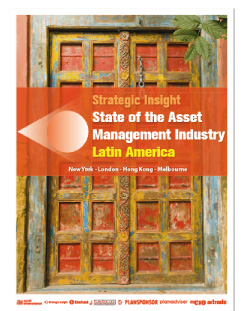
State of the Asset Management Industry - Latin America

Senior Research Analyst, Lise Carpenter
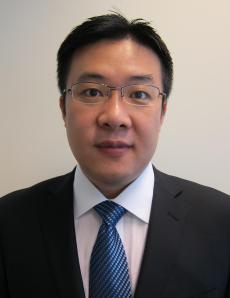
Senior Research Analyst, Bryan Liu

Research Analyst, Marlon Valle

FOR IMMEDIATE RELEASE
Daniel Enskat, Head of Global Consulting, Senior Managing Director
+1 212 217 6859, daniel@sionline.com

LATIN AMERICA FUND ASSETS TO EXCEED $3 TRILLION BY 2020, DRIVEN BY APPETITE FOR ASIA – US AND EUROPEAN ASSET MANAGERS BENEFIT MOST

New York, London, and Hong Kong – November 7, 2011 – While still smaller than other global regions in terms of aggregate assets – around $1.4 trillion in mutual fund assets and about $710 billion in pension assets – fast growth in Latin America as a region is capturing the imagination of investors, distributors and asset managers alike, with tactical and strategic opportunities prompting resource allocations and investments.

According to a new 110-page Strategic Insight research study on the region, ‘State of the Asset Management Industry – Latin America’, “depending on the global market environment the region’s mutual fund industry could reach between $2.8 trillion and $3.6 trillion in assets by the 2020, while its pension fund assets could approach $3 trillion –a total of over $6 trillion,” stated Daniel Enskat, Head of Global Consulting for Strategic Insight and author of the book.

“Fund managers see Latin America as the primary region of focus for cross-border distribution by a margin of three to one compared to Asia, with Strategic Insight data showing more Luxembourg-domiciled funds registered in Chile than in Hong Kong.”

Added Enskat, “many international fund managers are selling cross-border funds into the region, have acquired local firms or stakes, and are building out distribution and investment capabilities on the ground, either with exclusive third-marketers or with broader teams that service multiple providers”.

Among the key themes discussed in detail in this report:

– Local market opportunities: “Markets such as Brazil, with over one trillion in mutual fund and pension assets, or Mexico with $250 billion, and a highly profitable asset management business for some firms, has international managers establish a foothold for regional expansion and local growth, such as Julius Baer’s stake in wealth manager GPS, Credit Suisse with strong performance fees from Hedging-Griffo, JP Morgan Highbridge acquiring Gávea, and Blackrock after acquiring Barclays aggressively expanding on the ground for ‘SAXB’ (South America ex-Brazil).”

– Institutional pension fund progress via UCITS: “Chilean pension funds now hold 45% of its $155 billion in assets in UCITS. Notably, the most appealing area of investment for Chilean Pension funds is Asia. Leading fund firms working with exclusive or multi-partner third-party marketers such as Econsult, Compass and others include Fidelity, Blackrock, Franklin Templeton, Vanguard, Schroders, DFA, and Investec. Of late, the data also shows increasing use of U.S. 1940 Act funds across Latin America”, stated Enskat.

– Cross-border emerging market links: Chile, Peru and Colombia display similar characteristics as Hong Kong, Singapore and Taiwan in Asia – cross-border UCITS hubs with strong growth potential for international firms, especially U.S. and European firms offering Asia expertise. “We see increasing links between emerging market regions: e.g., the best-selling fund in Japan in 2010 was Nomura US High Yield Bond linked to the Brazilian Real, conceived by Nomura’s NY team, set up by London via Cayman and then sold to retail investors in Japan by the securities house (sub-advised by JP Morgan for the second installment). And, despite regulatory hurdles, Asian firms such as Mirae are now moving into Latin America to gain market share in the Asia emerging market space.”

– Exporting Latin America investment expertise: According to Enskat, “Latin American specialist investment boutiques are registering UCITS products to be wrapped into fund of funds, platforms or investment solutions, to be sold non-domestically via Europe: e.g. BTG Pactual in October 2010 launched a Luxembourg SICAV UCITS, BTG Pactual Brazil Equity Plus; Itaú has a few Luxembourg SICAVs focusing on Latin America and Brazilian equity; and Victoire Brasil Investimentos has a Luxembourg domiciled OEIC and works with Casa4Funds, a Luxembourg third party manager to package investment solutions for European fund buyers.”

– High-Net-Worth (HNW) in Latin America: Latin America is home to the densest population of Ultra-HNW investors in the world – by far. “The non-resident investor growth for U.S. fund managers through hubs such as New York, Miami, California or Atlanta, et al is becoming a strong growth path for those firms, and private banks in Europe and Asia are pushing hard into Latin America. Already, 2011 profits for some prominent private banks primarily come from Latin America. For instance, HSBC on the wealth management side in 2011 is seeing two-thirds of revenues from Latin America and Asia. Santander outside of Spain is mostly focusing on Latin America, and BBVA so far in 2011 has reported 60% of total profits from Mexico and South America, compared to 37% from Spain.”

– Latin American asset base in offshore hub is growing rapidly, along with needs: Strategic Insight research shows that “global financial institutions in international finance hubs (e.g. Switzerland, London, Singapore et al) are seeing increasing proportions of assets in booking centers come from Latin American investors, ranging from 25% at the low end to up to 70% for some Latin America focused private banks. Thus, with greater asset power in booking centers attributed to Latin America HNW investors and institutional clients, information and service demands of those clients are rising, and local support is becoming more important for success.”

– Europe and the US can learn from Latin America regulators: We also see a paradigm shift for the industry globally around local investment approaches and a new normal of asset allocation mindsets and regulation. Added Enskat, “emerging markets are finding their stride and, while willing to listen to ‘developed markets’, see the world through their prism, culture and history. Chile recently removed Dublin-based funds from its pension funds, while Asia is discussing a regional or limited passport to compete with UCITS. Brazil has a transparent and sophisticated hedge fund industry with multimercado that could offer guidance to the UCITS/Newcits debate in Europe. All of these trends offer an opportunity to listen and build different business models for success going forward, especially as emerging markets are now starting to build bridges away from developed markets.”

– GDP and demographic growth: Latin America is home to 600 million people with a growing middle class, and already has the highest proportion of ultra-HNW investors in the world. Moreover, the world is interested in Latin America as an investment area, as part of emerging markets investing and for specific countries and sectors (such as BRIC). At the moment, the opportunities for Latin America are primarily institutional and family office/HNW mandates. However, local markets opening up and a growing middle class over time (the global middle class is expected to grow from 500 million people today to almost 2 billion in the next 10-15 years), will likely add an additional $100 billion per year in retail net cash flows to the industry in the region in the second half of this decade.

To receive a copy of the executive summary for this report, please contact Chantelle Davis (cdavis@sionline.com) at 212-217-6879, or visit: http://www.sionline.com

About Strategic Insight

Strategic Insight is a research and consulting firm that supports over 250 companies around the world with analysis, perspective, and data on the fund industry; its Simfund databases, the world’s analytical source for mutual fund business intelligence, track flows, assets, performance, ratings, and other intelligence on more than 65,000 portfolios and many more fund share classes globally.

STRATEGIC INSIGHT, an Asset International Company

805 Third Avenue, New York, New York 10022
***
50 Borough High Street London SE1 1LB
***
Level 19 Two International Finance Centre, 8 Finance Street, Central, Hong Kong
***
http://www.StrategicInsightGlobal.com

###
Daniel S. Enskat, Senior Managing Director, Head of Global Consulting
Strategic Insight, an Asset International company
New York: 805 Third Avenue, New York, NY 10022
t. +1 (212) 217-6859 / f. (212) 730-7732
Hong Kong: Two IFC, 19/F, Central, Hong Kong
t. +852 2251-8248
Daniel@sionline.com
——————————————————————————–
Asset International, Inc.
Strategic Insight / Simfund / SI Global / Annuity Insight / Simfund Filing
Global Custodian / PLANSPONSOR / PLANADVISER / aiTrade / ai5000
——————————————————————————–
http://www.sionline.com/ http://www.assetinternational.com
http://www.twitter.com/danenskat
http://www.linkedin.com/in/danielenskat

Posted in apps, asia, beauty, black swans, Brand, Brazil, cash flows, Chile, China, consulting, distribution, EFAMA, Enskat, India, information delivery, institutions, iPad, LatAm, Latin America, management, Middle East, money, movement, pension funds, private banking, professional fund buyers, UCITS, Uncategorized, wealth management | Tagged , , , , , , , , , , , , , , , , , , , , , , , , , | 5 Comments

Interviews in Sao Paulo, Brazil, on the Latin America Asset Management Industry

Last month in Brazil at the Fund Forum, I had the pleasure of giving the opening keynote speech and to interview a few of the leaders of the industry in Latin America.

1. Daniel Enskat interviews Carlos Andre (Head of BB DTVM) at Fund Forum Latin America, Oct 2011

2. Daniel Enskat speaking at Fund Forum Latin America on regional fund flows and growth opportunities

3. Daniel Enskat interviews Amancio Perez (Head of Pictet, LatAm) at Fund Forum Latin America

Posted in asia, beauty, black swans, Brand, Brazil, cash flows, Chile, China, consulting, distribution, EFAMA, Enskat, information delivery, institutions, LatAm, Latin America, Uncategorized | Tagged , , , , , , , , , , , , , , , , , , , , , | 3 Comments

The Week in Global Asset Management: MENA, Nikko, ETFs, UCITS, Dexia, Twitterviews, acquisitions….

Financial markets continue to be in disarray.

I spent my week in New York at client meetings, then went on to Brussels to present to the European Commission and ended the week in Dubai, Abu Dhabi and Doha for SWF meetings, panels and a keynote speech at the MENA Investment Management Forum.

The week also marked my first official Twitterview ahead of the conference, which, I have to say, ended up being a lot of fun, especially because many industry observers jumped on the tweets and asked their own questions (or made comments). You can see the full transcript here.

Some of the more notable developments this week:

– The ICI commented on a SEC study on creating a new credit-rating agency board/self-regulatory organization, suggesting it would alter how asset-backed securities are rated.

Nikko Asset Management under Tim McCarthy (see my “View from Asia” fireside chat from Monaco with him here) completed its acquisition of DBS Asset Management, adding $8 billion in assets. That makes it the biggest regional asset manager headquartered in Asia. Along with its Australia acquisition of Tyndall Investments, Nikko now is becoming an Asia powerhouse that could move East-to-West at some point.

Schroders, after gathering over $1 billion in two months to its locally domiciled Asia Asset Income fund, is going to offer more outcome-oriented products across the region.

Qatar injected cash into Greece as the nation also implemented more cuts (Qatar Holding also is planning to create a standalone investment vehicle to buy stakes in, or to take over, gold companies). A few of the largest Greek banks and asset managers asked me to present to the government in the fall, stay tuned for an on the ground blog next month.

– Financial Research Corp. filed for bankruptcy this week and sold is subadvisory, lifecycle fund research, 529 college savings plan research and alternative investments product lines to Strategic Insight.

Dexia today was nationalized by the French and Belgian governments, making it the first bank to fall victim to the Greek debt crisis. The NY Times reported that Dexia has global credit exposure of about $700 billion and will create a so-called bad bank to house its troubled assets, including billions of euros worth of Greek, Italian, Portugese and Italian debt. Earlier in the week the bank considered selling off its asset management unit in an attempt to resolve “structural problems”.

Moody’s downgraded Italy’s credit rating from Aa2 to A2, the first downgrade by the rating agency for the country in two decades.

– Given the heightened ETF discussion after the UBS rogue trades (UBS recently laid off Francos Gouws and Yassine Bouhara, who ran the Delta One division), BlackRock this week made statements in support of high standards of disclosure and stronger uniform regulation, specifically stating that ETFs started out as transparent, liquid, simple vehicles, and now some have become too opaque. Last week, Fidelity in a response to an ESMA consultation paper called for complex ETFs and Newcits to be removed from the UCITS framework. Last month, Chile’s risk commission removed Dublin-domiciled UCITS from Chilean pension funds by making them restricted investments, over concerns around the Irish debt crisis.

Posted in asia, beauty, black swans, Brand, cash flows, China, Uncategorized | Tagged , , , , , , , , , , , , , , , , , , , , , , , , , , , | Leave a comment

BASo presents: Bailando Por Una Causa 2011

Coming back from three days in Dubai, Abu Dhabi and Doha for meetings, panels and speeches (including a first official “Twitterview” before my opening keynote speech at the MENA Investment Management Forum), I arrived back Monday in New York to get ready for the BAILA Society charity event, Bailando Por Una Causa 2011. It broke my heart that I had to miss the first one last year due to my travel schedule, so jet lag be damned I had to make it back in time.

Below is a first slideshow and the initial showcases, as well as the thank you letter from the President of the Latino Commission on AIDS and my business partner Joseph Rivera, who hosted the event.

BAILA Society presents: Bailando Por Una Causa 2011

Paulina and Daniel at Bailando Por Una Causa 2011:

BAILA Society Medley at Bailando Por Una Causa 2011:

BAILA Society presents: Bailando Por Una Causa 2011, a dance showcase to benefit the Latino Commission on AIDS

October 4th, 2011 @ El Museo del Barrio
———————-

On behalf of Baila Society and the Latino Commission on AIDS, we want to thank you for supporting Bailando por una Causa 2011.

Bailando por una Causa was an unforgettable evening of magnificent dance performances, passion, energy, unity and inspiration for our journey. We are proud to announce that the event was also a resounding success, raising both money and awareness for the Commission to continue the critical local, regional and national work on HIV prevention, advocacy, health education, capacity building and research/evaluation.

We very much appreciate your generous and continuous support for our vision to achieve healthy communities.

We are sharing some images of this memorable evening with you. We encourage you to share them with friends and loved ones.

Sincerely,

Guillermo Chacón
Latino Commission on AIDS

Joseph Rivera
Baila Society

———
Photos by Chasi Annexy, http://www.Salseek.com

Posted in Uncategorized | Tagged , , , , , , , , , , , , , , , , , | Leave a comment

BAILA Society in Quebec, Canada

Late September typically marks the beginning of our fall touring season, and we started it with a sun- and laughter-filled weekend in beautiful Quebec, Canada, with Steve and his team.

BAILA Society Repertory company – AWB, RL, MV and DSE – taught, performed and judged the Pro-Am Salsa Championship, and we used the Sunday downtime during the day to stroll through the old city of Quebec (along with an impromptu photoshoot) – stay tuned for video footage; below is a slideshow and a social dancing clip:

BASo Repertory Company in Quebec, Canada

Rebekah and Daniel Social Dancing in Quebec, Canada:

Merci beaucoup, Quebec!

Posted in Uncategorized | Tagged , , , , , , , , , , , , , , , , , , | Leave a comment

The Week in Global Asset Management: Rogue traders, global cash flows, Mack the Knife, Chilean disapprovals, and more

Another tumultuous week for global financial markets and the asset management industry.

The US still leads the world in many ways, but some things are scary to watch. The week hit a low point with the second Republican debate – no pun intended. Last week the tea party audience cheered loudly when the anchor asked Rick Perry about the 234 executions he oversaw thus far as governor (#sad). This week they started out by cheering for Ron Paul when he said it’s fine for a 30 year old employed healthy man to choose not to get $200 a month health insurance (#very#sad) – but just when you thought it could not get worse the audience cheered again loudly when the anchor asked Paul whether society should let that same man die were he to get sick and fall into a coma (#nowords).

Compared to those horror scenarios of political gladiator games, financial markets look outright rational and calm.

The big media stories this week of course were the continued debt crisis in Europe, the volatility of financial markets, and, towards the end of the week, the UBS rogue trade.

Tonight Strategic Insight senior analysts Jamie Maak, based in London, and Bryan Liu, based in Hong Kong, will publish the monthly fund flow results for July & August: despite all market uncertainties, net cash flows ytd through July neared $375 billion. However, August outflows over debt concerns totaled $75 billion (local Asia was the only region with inflows).

Short-term profitability will be impacted for the industry at large (as recently pointed out by Blackrock’s Larry Fink), but we continue to see many bright spots in the industry. Our report discusses the leading managers, and themes such as commodities, alternatives and multi-asset income as areas of investor demand – along with an in-depth global product review.

Short-term profitability will also be impacted for UBS, where a Delta One desk trader last week created index future trading losses of $2.3 billion for the group. While UBS reiterated that no client positions were affected, the group brand now again is in the limelight and will have to act quickly to reassure clients and business partners (similar to SGAM in 2008 after the Kiervel rogue trades). However, as in other past scandals, asset management if anything might actually again benefit from investment banking troubles in financial markets.

Of late, many larger groups have pointed towards wealth and asset management as growth and profit centers thus far in 2011. Interestingly, revenues increasingly are also coming from emerging market regions, such as Asia and Latin America, as discussed in prior blogs.

Another set of branding challenges recently came from Chile, where regulators disapproved Dublin-based funds from being invested into by pension funds over Ireland debt concerns. This places 155 funds at immediate risk of cash outflows and at least in the short-term could be an opportunity for Luxembourg and other competing hubs. The news will directly impact business development strategies for fund managers creating cross border fund lines for international expansion.

However, the bigger picture and concerns are now around how to preserve and strengthen the UCITS brand, especially with institutional investors and global financial institutions. Clearly, the UCITS brand is not (yet) in jeopardy, but continuous talks of Asia passports, alternative UCITS and now disapproval of UCITS in emerging markets puts greater urgency around industry thought leadership.

Speaking of thought leadership: John Gorman hailed outgoing Morgan Stanley chairman John “The Knife” Mack for his extraordinary leadership skills in 30 years with the firm overall. Mack is going to write a book about leaders and the industry, and will probably join other boards. Mack among many other things brought in Mitsubishi UFJ to help Morgan Stanley survive the crisis.

The Strategic Insight book on the industry (“The State of the Global Asset Management Industry“) just came out, and I will be traveling extensively for the rest of the year: confirmed stops thus far are… Abu Dhabi, Dubai, Sao Paulo, Tokyo, Hong Kong, Sydney, Melbourne, Caracas, Las Vegas, London, Zurich and Frankfurt.

Posted in asia, beauty, black swans, Brand, Brazil, cash flows, Chile, Uncategorized | Tagged , , , , , , , , , , , , , , , , , , , , , , , , , , , , , | Leave a comment

Chile “disapproves” Dublin products in its pension funds… opportunity for Luxembourg, threat for UCITS?

Chile’s Comision Clasificadora de Riesgo (CCR) this month “disapproved” Dublin-based UCITS products from being invested into by Chilean pension funds due to credit rating downgrades and sovereign debt concerns – according to regulators and industry experts, Moody’s decision to downgrade Ireland to junk status in July 2011 was the ultimate decision trigger.

$3.5 billion worth of existing Dublin-based assets in over 100 funds are now considered restricted investments, with some of them exceeding allowable investment limits and thus at risk of immediate redemptions. A PR blow to Dublin, Luxembourg-based products and other hubs could benefit from the decision, but just as in Asia, a key concern for the industry is to maintain the overall reputation of UCITS as the global mutual fund brand of the industry.

Our new Chile country snapshot along with a recent in-depth Chile research piece discuss the topic in detail, along with bestselling managers and products.

I will present to European regulators later this month on the probability of competition for UCITS from regional and local domiciles in emerging markets such as Asia and Latin America.

Last week I published a book on the “State of the Global Asset Management Industry”, and next month Strategic Insight will publish a book on Latin America opportunities.

Posted in asia, beauty, black swans, Brand, Brazil, cash flows, Chile, consulting, distribution, EFAMA, Enskat, LatAm, Latin America, Uncategorized | Tagged , , , , , , , , , , , , , , , , , , , , | Leave a comment