
I just came back from a trip to Colombia. While almost all major sources of public information warn you about the country and especially Medellin and Cali, but also Bogota, this perception couldn’t be further from the truth.
Yes, the comunas are similar to the favelas in Rio or the banlieue in Paris, but while you do feel a physical sense of danger in Rio or Sao Paulo, I would argue that central Paris is probably more dangerous than Medellin – it definitely is dirtier.
Let’s address a few myths and realities, and then see how those relate to the financial service industry.
Drugs and crime: Medellin still is seen as one of the “most violent cities in the world”, due to the memories of Pablo Escobar’s Medellin Cartel of the 1980s. That, however, is akin to comparing New York circa 1981 to New York circa 2011.
Quality of life: Medellin today is among the cleanest and safest cities in the world. Giving master classes at the local universities, I saw something I had never seen before, an air quality monitoring station, displayed below (imagine such a station in Beijing – well, you wouldn’t be able to actually see it).
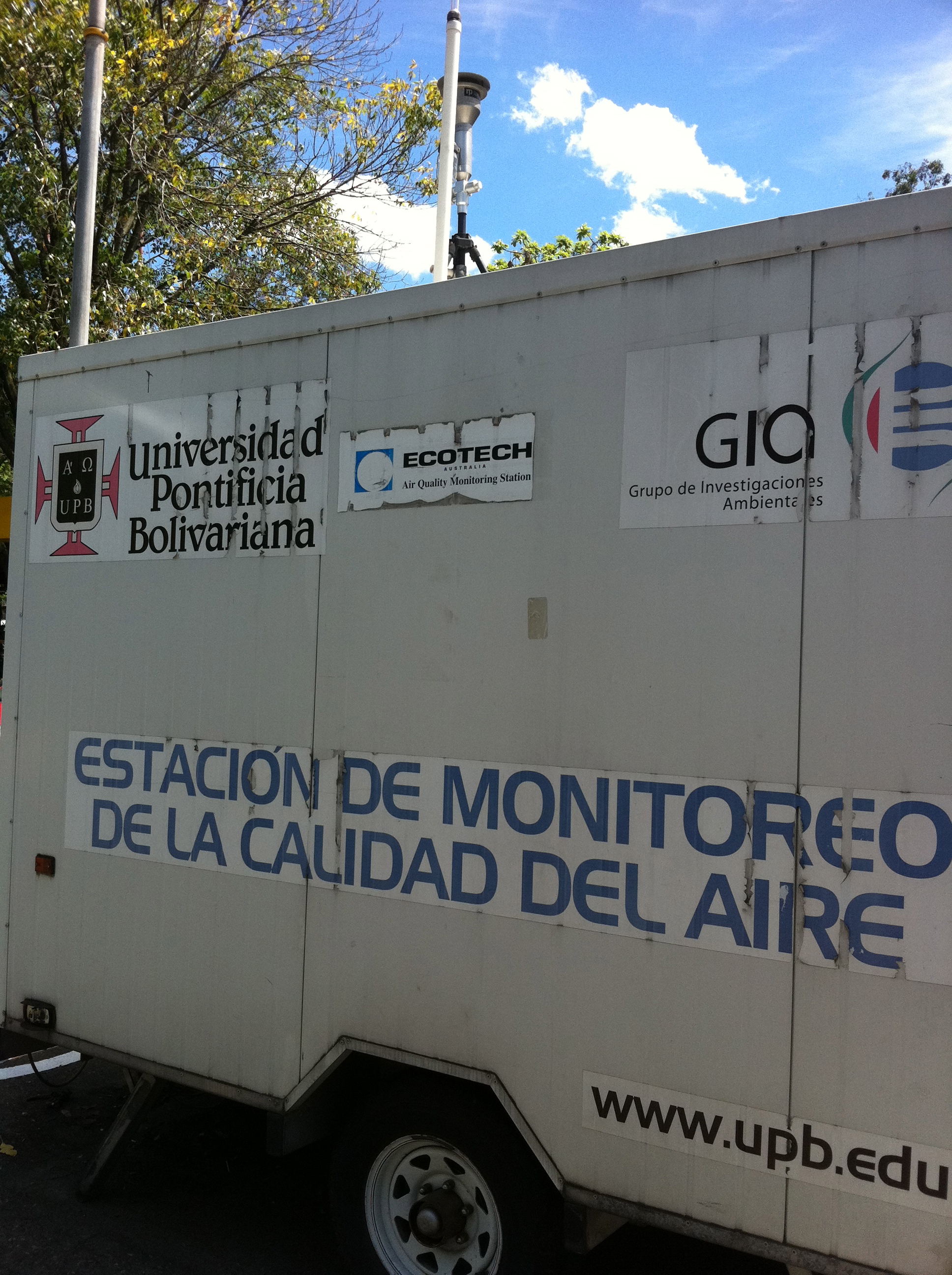
Unlike Singapore, where you cannot buy chewing gum (and get fines for littering), in Medellin public servants on weekends give little 4-year old kids their first lessons in recycling.
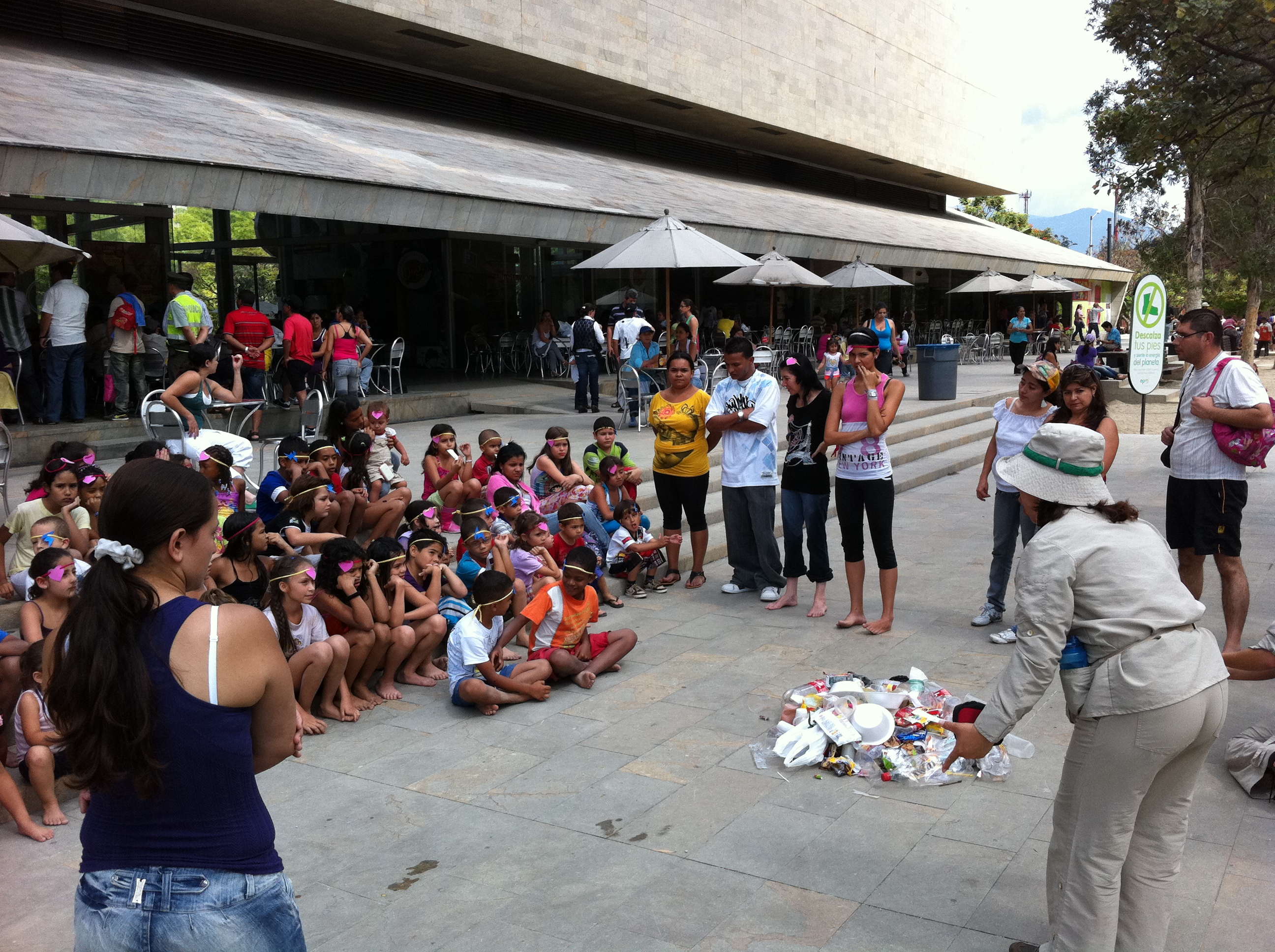
The people of Medellin keep the city clean because they are proud of their city and country, and they educate their children about recycling and taking care of their city, country, and planet. Below is a picture of such a demonstration in the “barefoot park”, where the happiest children in the world play each weekend with their parents, while enjoying grass, trees and fountains.
Work ethic. Colombians, in addition to a reputation of being home to the best looking women (and men) on the planet, work incredibly hard. After meetings during the week, I judged the national dance competition on the weekend, organized by Medellin- and Dubai-based BNF, and I have never seen a combination of passion, heart and hard work in my life (not even when I judged a similar competition in 2008 in Beijing).
Children from Cali that cannot even afford a pair of shoes, dance eight to ten hours a day on concrete with duct tape wrapped around their feet (because they also only own two pairs of socks), then sell candy to save money for the trip to Medellin with the family, and in the team competition take turns sharing the shoes that are donated to the dance studio. Out of 60 children couples competing, only 3 make it.

Combine the early childhood education on preserving the environment with the endurance, willpower and competitive streak of the youth and you can imagine the future for the country and the region.

Passion, pride and warmth: I also rarely have seen such a passionate and loving people. From conversations on the street, to students in classes, executives in meetings, and friends playing hosts throughout the weekend, each interaction took hospitality to a whole new level.
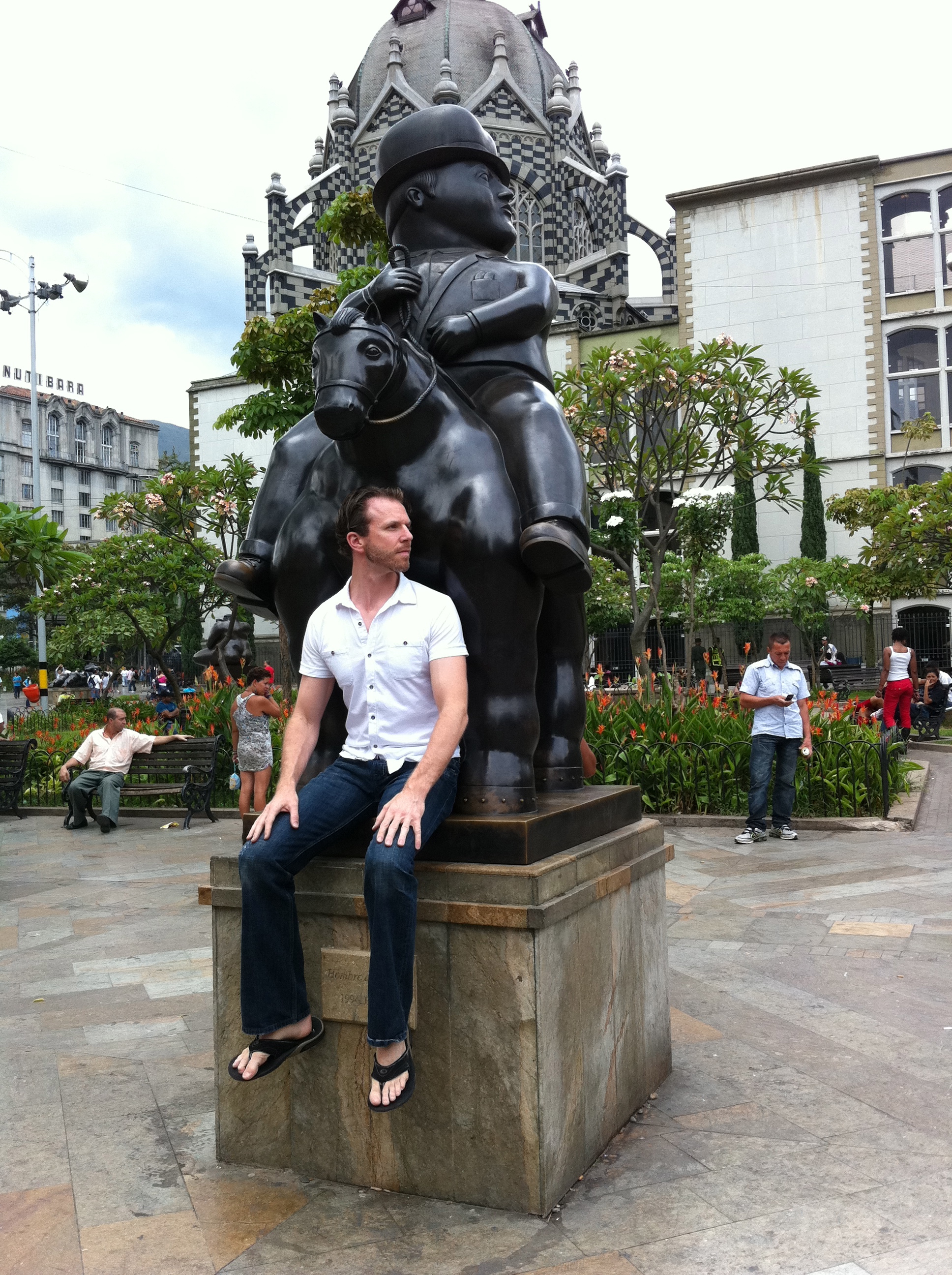
Art and history: You can also see it in the transformation of the city over the years. I spent my Sunday enjoying the “museo en la calle” with original Botero sculptures, shown below, and the numerous wonderful museums.

After that it was up to Pueblito Paisa to take in the replica of traditional villages and some traditional food. Let’s not even talk about the impressive architecture in Medellin or Bogota.

Technology: Notably, Medellin has excellent public free wireless, similar to Hong Kong. However, here, it works. Let’s compare this with two weeks ago, when I was in Monaco for the largest asset management conference in the world, the Fund Forum International, and one of the best hotels in Monte Carlo charged me EUR20 per device (sic!) and per day for a wireless connection with dial-up speeds circa 1990.
Welcome to the future.
A few other noteworthy facts to remember when it comes to Colombia:
• It is the only South American country with coastlines on both the North Pacific Ocean and the Caribbean Sea.
• It is rich in natural resources, including petroleum, gas, coal, iron, ore, nickel, gold, copper, emeralds and hydropower.
• Medellin is the city of eternal spring, i.e. perfect weather year round, which I think contributes to why the people are among the nicest in the world.
• After decades of violence, civil war and dysfunctional relationships with the government, the people of Colombia similar to China take their fate into their own hands to create a better future for their children.
• With about 45 million people, it has a perfect balance between men and women and close to 70% of the population are between 15 and 64 (only 7% are above 64), with a median age of 28.
• Colombia is the third largest exporter of oil to the U.S.
• Still, 45% of the population live below the poverty line.
Specifically on the investment side:
• Leading corporate governance practices have been in place in corporate law since 1971 with the Commercial Code, one of the most advanced in the region. The current model is based on the Codigo Pais from 2007.
• As an investment market, Colombia falls into the post-BRIC appeal of second and third-tier frontier markets.
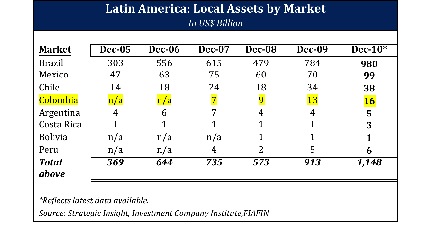
• As a mutual fund market, total assets are still relatively small, but have doubled since the financial crisis from about $7 billion to $16 billion.
• Cross-border funds are growing in Colombia, Chile and Peru. Similar to Chile, which I addressed in a recent “spotlight” research piece, the country’s private-pension-fund industry is an opportunity for international fund managers. As shown in the table below, the offshore portion of Colombia’s pension fund asset allocation is growing quickly, following the lead of Chile and Peru. For now, 40% of investments for pension funds can be invested in offshore vehicles, while it is approaching 80% in Chile.
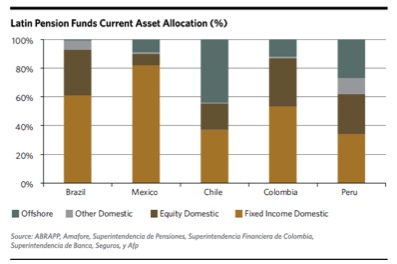
• It is thus entirely possible for the Colombian pension funds to grow to $150 billion in the next few years (Chile is there now), with allocations to crossborder vehicles rising quickly.

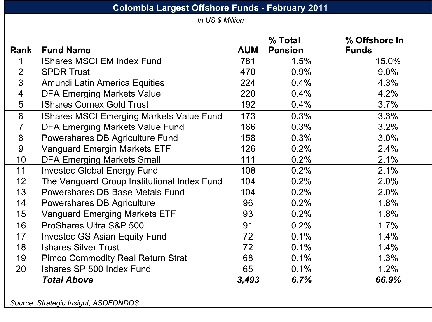
• Notably in the table below the top twenty cross-border products today have a bias towards ETF/index and boutique specialist names. Those include iShares, SPDR, Powershares and Vanguard, as well as DFA and Investec. Larger brands such as Amundi or Pimco also are on the list. The numbers for now are small, but selected managers have made strong inroads into the market and the numbers are likely to grow likely, via a combination of crossborder allocations, changes in asset allocation, a growing middle class and domestic growth.

 Warren Enskat Group
Pingback: Judging the World Latin Dance Cup 2011 in Las Vegas « Daniel S. Enskat